Merchandise Reviews
Printed names and numbers fail in predictable ways, and the method explains which
The lettering on a shirt is applied by one of a few processes with different lifespans, and knowing which was used tells a buyer far more about durability than the price of the personalisation does.
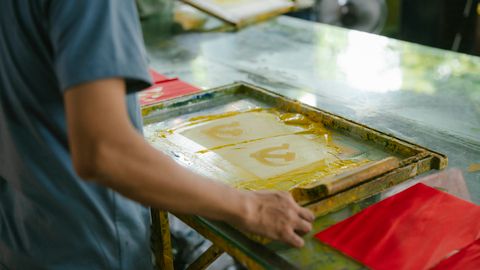
The common application methods
Most lettering on replica shirts is heat-applied, meaning a pre-cut vinyl or transfer is bonded to the fabric under a combination of heat and pressure. A second approach uses a printed transfer, where the design is printed onto a carrier and then transferred, which allows more complex artwork and finer detail. A third, far less common on modern synthetic shirts, is direct printing into the fabric, which avoids the raised surface but works poorly on the materials used.
Each of these bonds to the shirt in a different way, and each therefore fails in a characteristic manner that a buyer can learn to recognise. Stitched lettering, which was standard in earlier eras, has largely disappeared because it adds weight and interferes with the performance fabrics now used.
How heat-applied lettering fails
A vinyl character is a separate layer sitting on the fabric, bonded at the interface between the two, and that interface is where failure begins. Corners and thin extremities lift first, because they have the least bonded area relative to their exposed edge and receive the most mechanical stress. Once an edge lifts, washing and wearing work underneath it, and the character peels progressively rather than failing all at once.
Cracking across the face of a character is a different failure, caused by the vinyl becoming brittle through heat exposure and flexing. Both are accelerated by high wash temperatures and by tumble drying, which is why care instructions on personalised shirts are unusually specific.
Official specification versus generic lettering
Competitions specify the typeface, size, colour and placement of names and numbers, and licensed printing uses materials supplied to that specification. Generic lettering approximates the appearance using different materials, and the difference is frequently visible in the thickness and the edge quality. It also shows in longevity, since specification materials are tested for the conditions a shirt experiences and generic substitutes may not be.
The gap in cost between the two is real but small relative to the shirt, which makes the saving a poor trade for anything intended to last. Buyers comparing them should look at the edges of the characters, where the difference in cut quality is most apparent.
What actually determines lifespan
Application quality matters, since insufficient heat or pressure produces a bond that is weak from the beginning regardless of the materials. After that, the largest factor is how the shirt is washed, because temperature and mechanical agitation both attack the bond directly. Turning a shirt inside out reduces abrasion on the lettering, and washing cool reduces the thermal cycling that makes vinyl brittle.
Ironing over lettering will damage it immediately, which is the single most common way a personalised shirt is ruined. The manufacturer's own care instructions are the authority here, and they exist because the materials genuinely require that treatment.
Why personalisation changes what the shirt is
A personalised shirt cannot be returned in most retail arrangements, which converts an ordinary purchase into a final one at the point of ordering. That makes sizing a much more consequential decision, since there is no correction available if the fit turns out to be wrong. It also affects resale, as a shirt carrying a specific name is worth less to almost everyone other than the original buyer.
For a player-name shirt the value is further tied to that player remaining relevant, which is outside anyone's control. None of this argues against personalisation, but it is worth understanding that the decision is less reversible than the rest of the purchase.
- Heat-applied vinyl fails at the edges and in the wash
- Officially specified lettering differs from generic alternatives
- Care during washing determines lifespan more than application does
Also by Tom Harrison
- What separates a bar that shows sport from a bar built to watch sport inSports Bars & Pubs
- Why kick-off times move, and who is actually being served when they doBroadcast Schedules
- The queue as an entry system: how a physical line rations access to a tennis groundWimbledon
- Why following one competition now means assembling coverage from several sourcesTop