Wimbledon
How The Queue Functions As A Non-Monetary Payment
Queueing overnight for Wimbledon tickets is a rationing mechanism that charges in time rather than money, which changes who ends up inside the grounds.
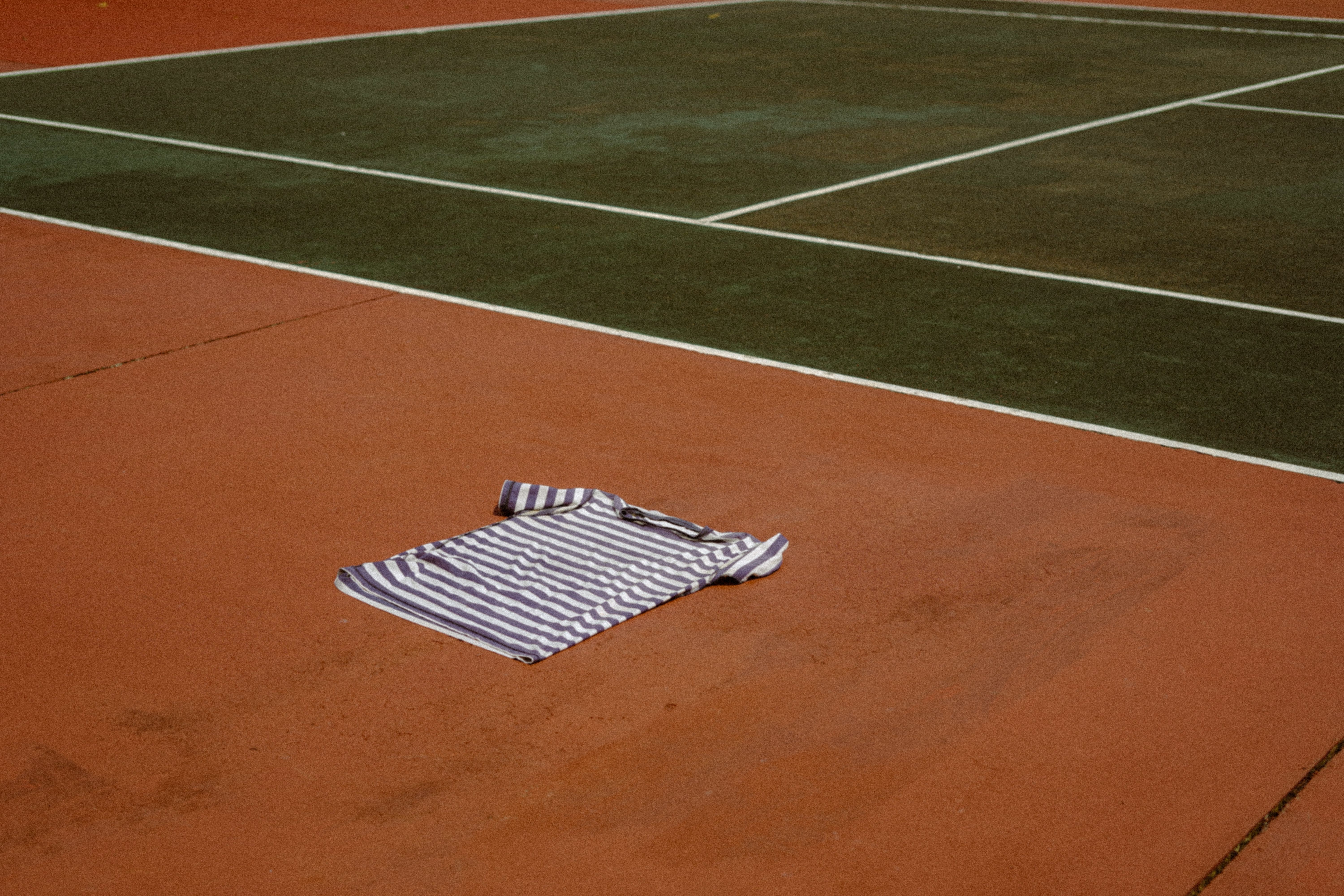
Wimbledon sells a portion of tickets on the day to people who physically queue. The queue is not a quaint tradition, it is a pricing mechanism that charges in hours instead of pounds.
Two ways to ration a scarce seat
Any scarce ticket must be allocated somehow. Price allocates to whoever values it most in money, and a queue allocates to whoever values it most in time.
Neither is neutral. Price favours higher incomes, and time favours flexible schedules, students and retirees over people with fixed working hours and dependents.
Running both routes side by side widens the range of people who can attend. That is the argument for keeping the queue rather than converting those tickets to a sale.
Why the cost cannot be avoided
The time cost has to be real or the mechanism fails. If queueing began at a comfortable hour, everyone would arrive then and the queue would simply be longer.
Overnight camping arises because the equilibrium arrival time keeps moving earlier until the discomfort deters enough people. Nobody designs that hour, demand sets it.
Formalising the overnight stay with numbered cards and stewarded ground turns an unmanaged crush into an orderly system without removing the underlying cost.
What the queue card actually does
Arrivals receive a numbered card recording their position, and that number is what governs entry. The card converts physical presence into a transferable-looking token that is not actually transferable.
Leaving the queue for extended periods forfeits the position, because the card records a claim that presence must continue to support. Checks through the night enforce this.
The number also tells queuers roughly what they will get. Show court tickets run out at a known depth, and grounds admission continues well beyond it.
Why show court tickets stop where they do
A fixed small allocation of show court seats is held back for the queue each day. Once that allocation is exhausted, remaining queuers receive grounds passes only.
Grounds admission still provides considerable tennis on outside courts, and early-round days put strong matches there. Many queuers target that rather than a show court seat.
Understanding the split before arriving prevents the common disappointment of queueing all night for an outcome that was never available at that position.
The late-afternoon resale loop
Show court ticket holders leaving early can return their tickets, which are resold cheaply to grounds pass holders already inside. Proceeds go to charity rather than to the club.
That creates a second, much cheaper route into a show court in the late afternoon. It requires being inside the grounds and prepared to wait again.
The two mechanisms together mean a grounds pass is not a consolation prize. It is an option on a show court seat later in the day.
Also by Ryan Graves
- Advanced Analytics: How seat view analytics Shapes arena acoustic dampening OutcomesArena Experiences
- Advanced Analytics: How spectator engagement programs Shapes venue accessibility models OutcomesArena Experiences
- Advanced Analytics: How acoustic engineering designs Shapes hospitality packages OutcomesArena Experiences
- Advanced Analytics: How arena acoustic dampening Shapes spectator engagement programs OutcomesArena Experiences