Sports Bars & Pubs
What Licensing Hours Mean For Late Kick-Off Viewing
A bar cannot show a match that finishes after its licence ends, which is why overnight fixtures from distant time zones appear at some venues and not others.
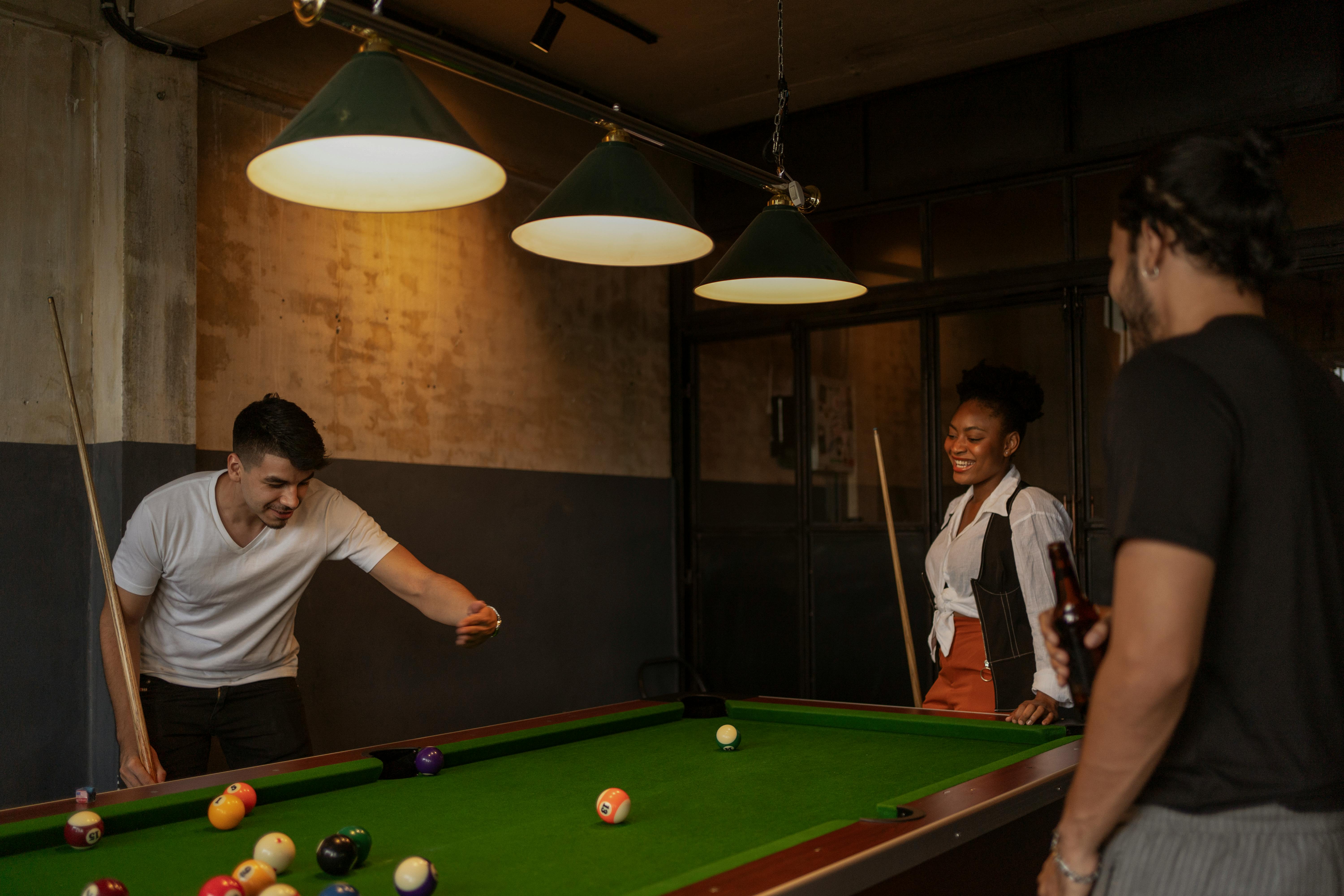
Fixtures kicking off late at night, often from other continents, are shown at some venues and not at others nearby. Licensing rather than equipment usually explains the difference.
What a licence actually restricts
Premises licences specify the hours during which regulated activities may take place, including the sale of alcohol and the provision of entertainment.
Showing a broadcast to customers falls within the licensed activities at most venues, so the licence governs the viewing as well as the drinking.
A venue whose licence ends before a match finishes cannot lawfully continue, regardless of how many customers wish to stay.
Why licences differ between neighbouring venues
Hours are granted premises by premises, taking account of the surrounding area, past objections and the venue's own application history.
A bar on a busy commercial street may hold later hours than one in a residential road a few doors away, for reasons that have nothing to do with the operator.
This is why late-night sport clusters in particular streets rather than spreading evenly across a town. The clustering is a residue of past licensing decisions rather than a deliberate arrangement.
How temporary extensions work
Venues can apply for temporary permission covering specific dates, which is the mechanism behind late openings for major tournaments.
Applications are made in advance and can be refused or objected to, so a venue cannot decide on the day that a fixture warrants staying open.
The number of temporary permissions available to a premises in a year is limited, which forces operators to choose which fixtures justify one. A venue that spends them early has nothing left for a knockout round.
The dry-opening alternative
Some venues open early or late without alcohol service, since the restriction on selling drinks is separate from the permission to open.
This is common for morning fixtures from distant time zones, where breakfast service and a screen are entirely lawful.
Customers arriving expecting a normal bar experience at an unusual hour are frequently surprised by this, and it is worth confirming beforehand. Venues rarely advertise the restriction prominently.
Why the last orders question matters
Service typically stops before the licence ends, leaving drinking-up time in which the premises remains open without sales.
A match finishing inside that period can be watched to its conclusion, and one finishing after it cannot. Drinking-up time is short and fixed rather than a discretionary extension.
Asking a venue when last orders fall rather than when it closes gives the more useful answer for planning around a late kick-off.
Also by Ryan Graves
- Advanced Analytics: How seat view analytics Shapes arena acoustic dampening OutcomesArena Experiences
- Advanced Analytics: How spectator engagement programs Shapes venue accessibility models OutcomesArena Experiences
- Advanced Analytics: How acoustic engineering designs Shapes hospitality packages OutcomesArena Experiences
- Advanced Analytics: How arena acoustic dampening Shapes spectator engagement programs OutcomesArena Experiences