Fan Zone
Why Fan Zone Capacity Is Reached Before The Match Starts
Public viewing sites close their gates well before kick-off because occupancy is measured continuously and the final surge arrives faster than checks can process it.
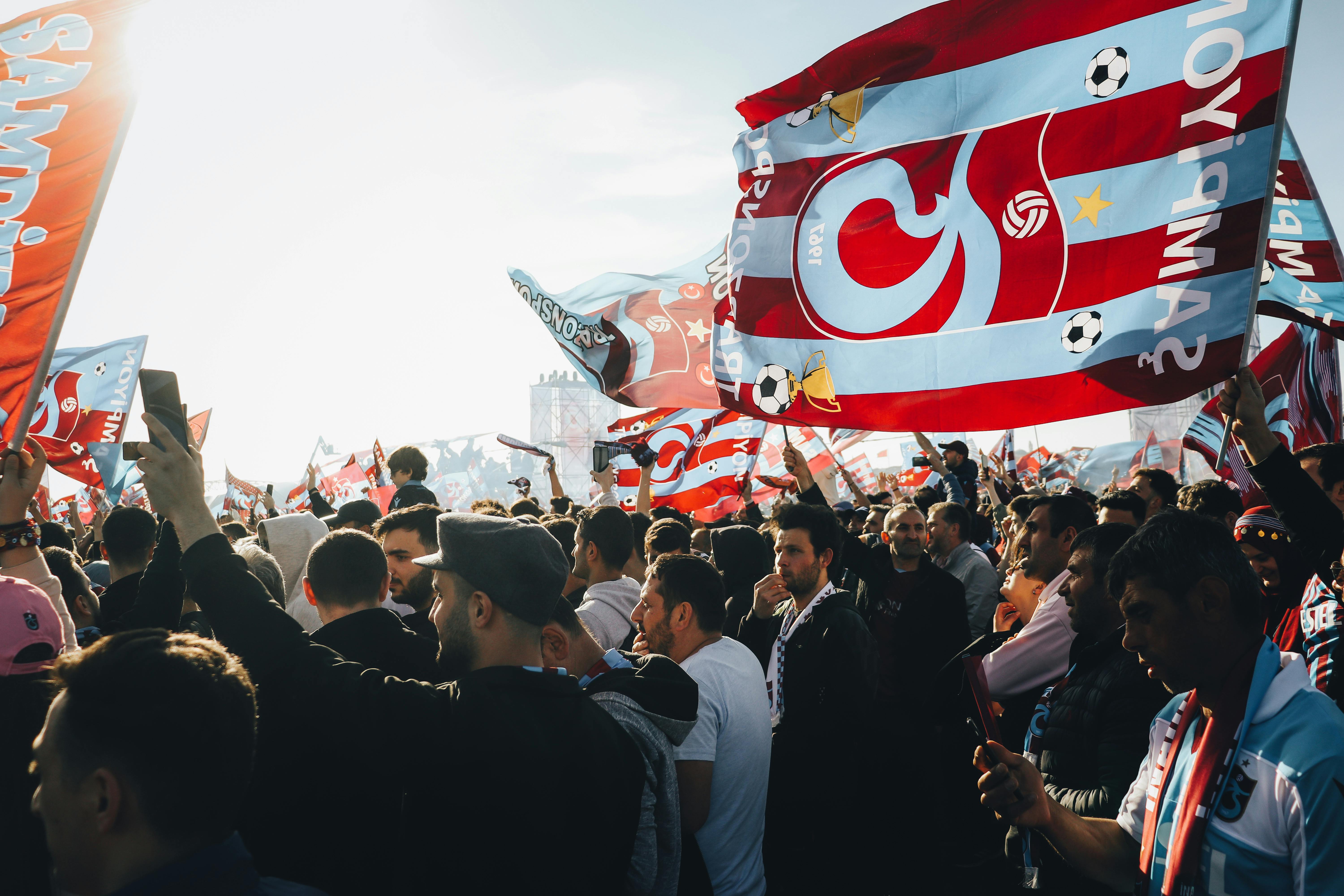
Fan zones routinely stop admitting people an hour or more before the match they exist to show. The closure is a function of how occupancy and processing rates interact.
Occupancy is counted, not estimated
Sites operate against a licensed capacity figure and count entries and exits continuously. When the running total reaches the limit, admission stops immediately.
There is no discretion at that point, because the figure is a condition of the licence rather than an operator preference. Exceeding it risks the event being closed entirely.
This is why gates close abruptly rather than gradually, and why the closure can appear arbitrary to people in a queue that was moving moments earlier.
The arrival curve is steeply weighted
Attendance builds slowly through the afternoon and then accelerates sharply in the final ninety minutes, as people finish work or leave nearby bars.
The site therefore fills its remaining capacity in a short window, and the queue outside grows at a rate the gates cannot match.
Operators know this curve well and set opening times early specifically to flatten it, which is why programming and entertainment start hours before the sport.
Why processing rate is the binding constraint
Each entrant passes a ticket check, a bag search and often a body search, and the total throughput is fixed by the number of lanes available.
A site can hold far more people than it can admit in an hour, so capacity is often reached long after the queue stopped being processable in time.
Adding lanes helps only if the space outside can hold the queue safely, which in a city centre is frequently the tighter limit.
How the exit flow affects late entry
Some sites operate a one-out-one-in policy once full, admitting people as others leave. Departures before kick-off are minimal, so the flow effectively stops.
At half time a small number of departures resume, and a queue that persisted can move again. This is a genuine if unreliable route in.
Operators rarely advertise it, since encouraging people to wait outside for an hour creates its own crowd management problem.
What this means for arriving
The practical rule is that arriving at kick-off means not getting in, and arriving an hour early means joining the surge rather than beating it.
Arriving in the afternoon costs several hours and is the only approach that reliably works for a high-demand fixture.
Attendees unwilling to commit that time are generally better served by a bar with a booked table, where the commitment is made in advance rather than on the pavement.
Also by Ryan Graves
- Advanced Analytics: How seat view analytics Shapes arena acoustic dampening OutcomesArena Experiences
- Advanced Analytics: How spectator engagement programs Shapes venue accessibility models OutcomesArena Experiences
- Advanced Analytics: How acoustic engineering designs Shapes hospitality packages OutcomesArena Experiences
- Advanced Analytics: How arena acoustic dampening Shapes spectator engagement programs OutcomesArena Experiences