ICC
Why Neutral-Venue Fixtures Sell On Different Terms
Matches played away from either competing nation change who is buying, and ticketing terms adapt with wider transfer rights and later sale windows.
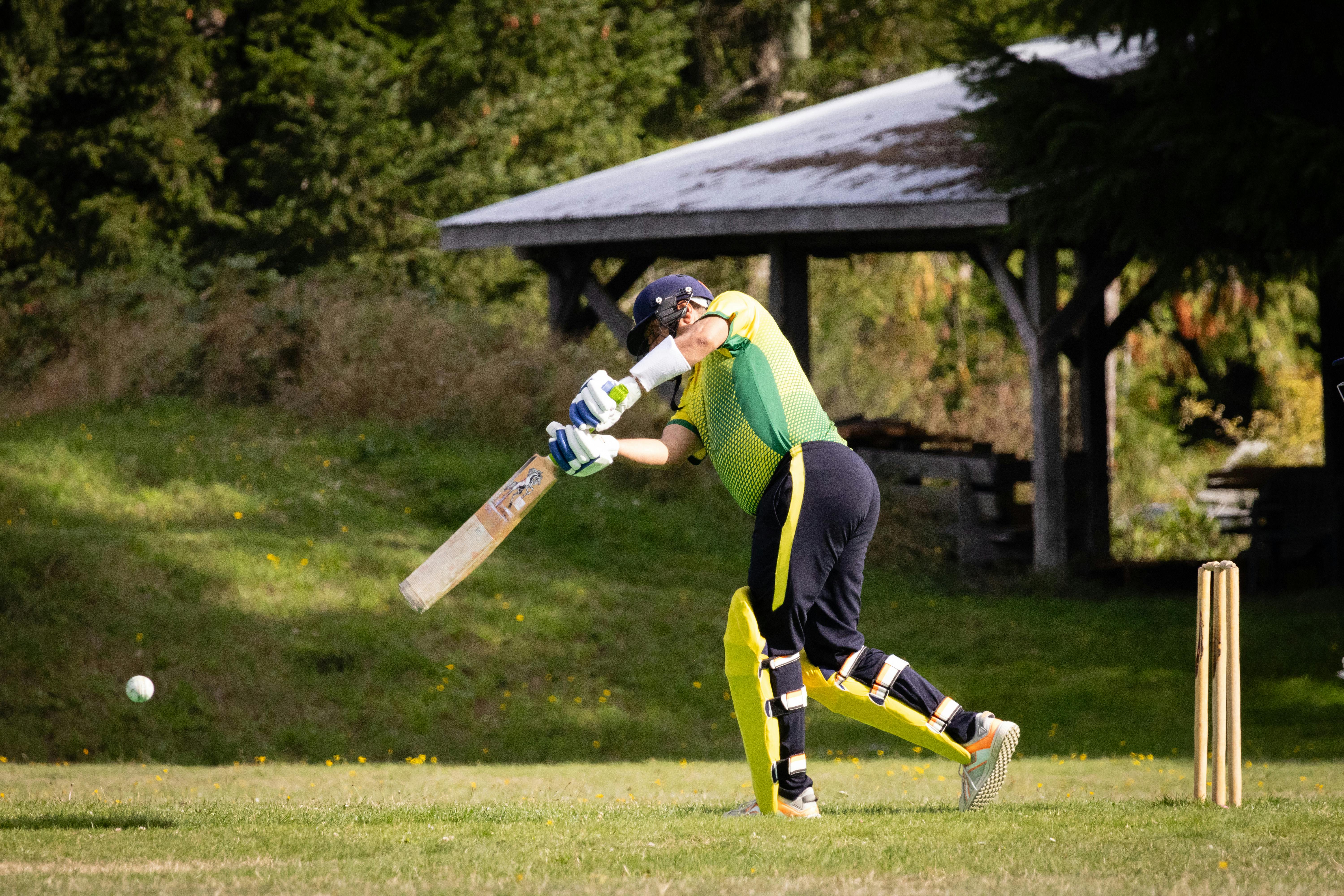
International cricket regularly stages fixtures in countries neither team represents. Ticketing for these matches operates differently from a home fixture, because the buying population is different.
Who actually buys a neutral fixture
A home match sells substantially to local members and season ticket holders. A neutral fixture has no such base and must sell to travelling supporters and to a resident diaspora.
Those groups buy on different timescales. Travelling supporters commit early because of flights, and local residents frequently buy in the final week.
Ticketing has to serve both, which is why neutral fixtures often run an early international window followed by a late local sale.
Why transfer rules are looser
Home fixtures police transfer tightly because segregation and membership rules depend on knowing who holds each seat. A neutral venue has weaker reasons for either.
Supporters of both nations sit together without incident at most neutral fixtures, so the segregation rationale largely falls away.
The result is that neutral-venue tickets are frequently transferable within stated limits, and group organisers can buy blocks and distribute them.
The currency and payment layer
Prices are set in the host country's currency, and buyers abroad pay a conversion cost their own bank determines rather than the seller.
Card acceptance can also be restrictive, with some regional payment systems failing for foreign cards. This is a routine failure point in the final step of a purchase.
Buyers should expect the charged amount to differ slightly from the listed price, and to differ again if a refund is later converted back.
Why sale windows open late
Neutral fixtures are sometimes confirmed late, because the decision to move a series depends on scheduling, conditions or logistics resolved close to the tour.
Tickets cannot go on sale before the venue is contracted, which compresses the entire sale into a shorter period than a home series enjoys.
Supporters planning to travel therefore book flights before tickets exist, which reverses the usual sequence and carries the corresponding risk.
What the atmosphere trade-off is
Neutral venues produce a different spectating experience, with mixed crowds and less of the concentrated home support that shapes a domestic fixture.
Some spectators prefer it, since access is easier and the ground is less dominated by one set of supporters. Others find it flat.
Either way it is a known property of the fixture rather than a variable, and it is worth factoring in before committing to travel.
Also by Ryan Graves
- Advanced Analytics: How seat view analytics Shapes arena acoustic dampening OutcomesArena Experiences
- Advanced Analytics: How spectator engagement programs Shapes venue accessibility models OutcomesArena Experiences
- Advanced Analytics: How acoustic engineering designs Shapes hospitality packages OutcomesArena Experiences
- Advanced Analytics: How arena acoustic dampening Shapes spectator engagement programs OutcomesArena Experiences