Sports Bars & Pubs
Why Sports Bars Ask For A Deposit On Big Match Nights
Deposits on high-demand fixtures exist because a no-show costs a bar an entire evening's revenue from a table it turned others away to hold.
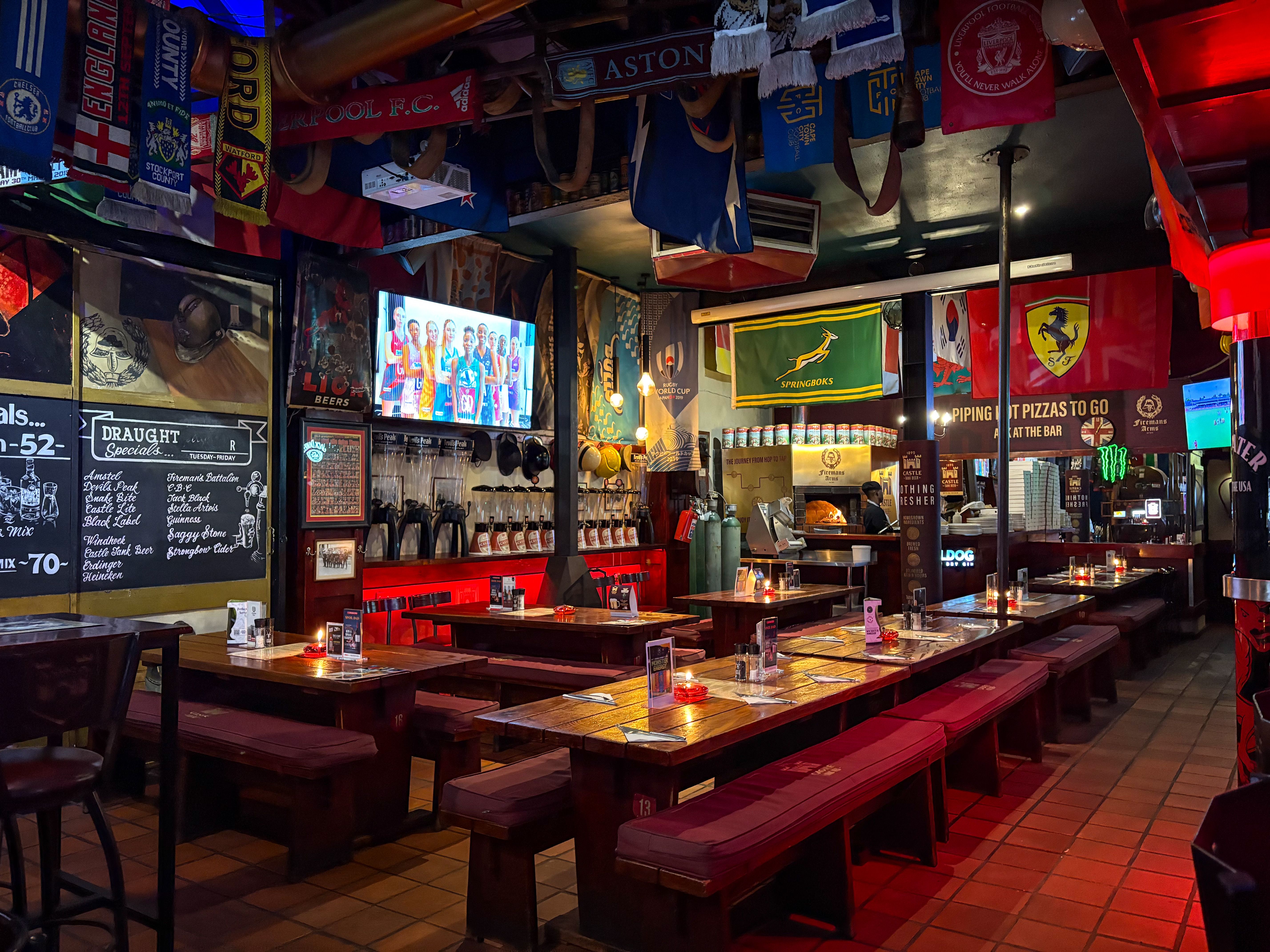
Bars that take bookings without charge for most of the year require a deposit for major fixtures. The change reflects what a no-show costs on those specific nights.
What a held table costs on a full night
On an ordinary evening an empty booked table is a small loss, since walk-in customers can fill it at any point. Demand is spread across hours.
On a major fixture, demand arrives in a narrow window before kick-off and the room fills completely. A table held for absent guests stays empty for the whole match.
The bar has also turned away every other party that asked for it, so the loss is the revenue of the group that was refused rather than a marginal amount.
Why a deposit changes behaviour
An unpaid booking costs nothing to abandon, and a proportion of groups making one will not appear. That proportion is predictable and large on high-demand nights.
A deposit converts the decision into a financial one, and cancellations then arrive in advance rather than as silence at kick-off.
Advance cancellation is what the bar actually wants, since a table released two days ahead can be resold and one released at kick-off cannot.
How deposits are usually structured
Most bars set a per-person amount and redeem it against the bill, so a group that attends pays nothing extra. The deposit is a commitment device rather than a charge.
Non-redeemable deposits exist but are less common, since they read as a cover charge and deter the casual bookings that fill quieter areas.
Cancellation terms typically set a deadline after which the deposit is retained, and that deadline is the operative part of the arrangement.
Why the amount varies by fixture
Deposits scale with how difficult the table is to resell. A local derby with a waiting list carries a higher deposit than a midweek fixture with moderate interest.
Kick-off time matters as much as the fixture. An early evening slot competes with people finishing work, and a late one has fewer alternative customers to backfill.
Bars adjust these amounts by experience rather than by formula, which is why the same venue asks different sums for apparently similar matches.
What the deposit does not buy
A deposit secures a table for a stated period, not a particular table or a view of a particular screen. Those are separate questions worth asking when booking.
It also does not guarantee the fixture will be shown, since the bar depends on the same broadcast arrangements as everyone else.
Groups booking around a specific match should confirm the bar holds the relevant subscription rather than assuming a sports bar carries everything.
Also by Ryan Graves
- Advanced Analytics: How seat view analytics Shapes arena acoustic dampening OutcomesArena Experiences
- Advanced Analytics: How spectator engagement programs Shapes venue accessibility models OutcomesArena Experiences
- Advanced Analytics: How acoustic engineering designs Shapes hospitality packages OutcomesArena Experiences
- Advanced Analytics: How arena acoustic dampening Shapes spectator engagement programs OutcomesArena Experiences