Wimbledon
A ground pass buys optionality, and that changes how the whole day is spent
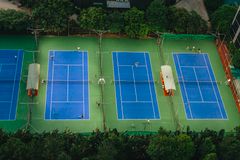
General admission to a tournament's outer courts is not a cheaper version of a seat at the main match; it is a different product that trades guaranteed access for the freedom to move.
Two products sold at the same gate
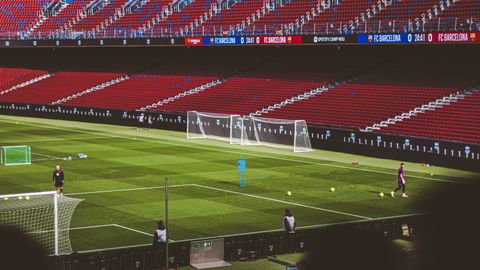
A tournament with a main arena and a ring of outer courts is effectively selling two different experiences through the same entrance. A reserved seat guarantees a specific view of a specific court and removes all decisions from the day once the holder has sat down. A ground pass guarantees entry to the site and access to whichever unreserved courts have space, which is a right to look rather than a right to sit.
The two are frequently compared on cost, but they answer different questions, and the cheaper one is not a degraded version of the more expensive one. A spectator who wants certainty is buying the wrong product with a ground pass, however much tennis it technically provides access to.
Optionality is the actual commodity
The holder of a ground pass can leave a one-sided match after a few games and be watching a competitive one on another court within minutes. That mobility is worth a great deal on a day when the marquee matches are dull and the interesting tennis is happening somewhere nobody predicted. It is worth very little to a spectator who came to watch one particular player and will be standing in a crowd around a small court to do it.
The value therefore depends almost entirely on what the holder wants from the day rather than on how much tennis is available. People who buy ground passes repeatedly tend to be the ones who enjoy the sport generally rather than following individual players specifically.
Why the early rounds are the sweet spot
In the opening rounds a tournament is running many matches simultaneously, which means the outer courts hold a substantial share of the day's tennis. As the draw contracts, the number of matches falls and those that remain migrate to the larger courts where entry is reserved rather than general. A ground pass late in a tournament therefore buys access to a site with very little happening on the courts it actually admits the holder to.
This is why the same pass is described as excellent value by some spectators and as a waste by others, since they attended at different points in the draw. The number of live matches on unreserved courts is the single figure that determines what a general pass is worth on any given day.
Standing, sitting and the physics of a small court
Outer courts have shallow seating that fills long before a match begins, after which the remaining spectators watch standing behind whatever barrier exists. Sightlines from a standing position at a low court are poor, since the play sits below eye level and any row of people in front removes most of it. The compensation is proximity, because a small court places a spectator close enough to hear the ball and the players in a way a large arena never does.
Many people rate that closeness above the comfort of a seat in a large stand, which is why outer courts fill even when space is available elsewhere. Capacity on those courts is managed by stewards on the day, and their instructions on when a court is full are the operative ones.
Planning a day around movement
The practical skill in using a ground pass is knowing when to leave a match, because the crowd around a good match only grows once it becomes obviously good. Arriving at a court during a changeover is easier than arriving mid-game, and the rhythm of a tennis match creates those windows at predictable intervals. Walking between courts costs time that is invisible in the order of play, and a site laid out over a large area can absorb much of an afternoon in transit.
Spectators who plan a route rather than a list of matches consistently see more tennis than those who chase individual names across the grounds. It is a different mode of attendance, closer to browsing than to spectating, and it suits a particular temperament rather than everyone.
- A ground pass sells movement rather than a guaranteed view
- Early rounds are when the outer courts carry the most tennis
- The value depends on willingness to walk and to wait
Also by Aarav Sharma
- Dynamic pricing behaves like a thermostat, which is why a ticket price movesTicket Guides
- How a room's layout decides whether a crowd watches together or in fragmentsSports Bars & Pubs
- How a season of coverage is planned long before anyone knows which matches will matterBroadcast Schedules
- Attending and watching are different products, and each keeps reshaping the otherTop